
Commercial Kitchen Extract Cleaning
TR19 Grease kitchen extract cleaning for restaurants, pubs, hotels, stadiums, schools and universities across the UK.
- UK Wide Coverage
- BESA Accredited
- TR19 Grease Compliant
Kitchen Extract Cleaning to the TR19 Grease Standard
Grease build up in a commercial kitchen extract system is one of the most serious fire risks a hospitality business faces. VSS provides commercial kitchen extract cleaning to the BESA TR19 Grease standard, removing grease from the full system and giving you the documented certificate your insurer and fire risk assessment require.
We clean the whole system, not just the parts you can see, and we prove it. Every clean is verified with grease depth readings and before and after photographs, so you hold clear evidence that your kitchen is compliant and safe.
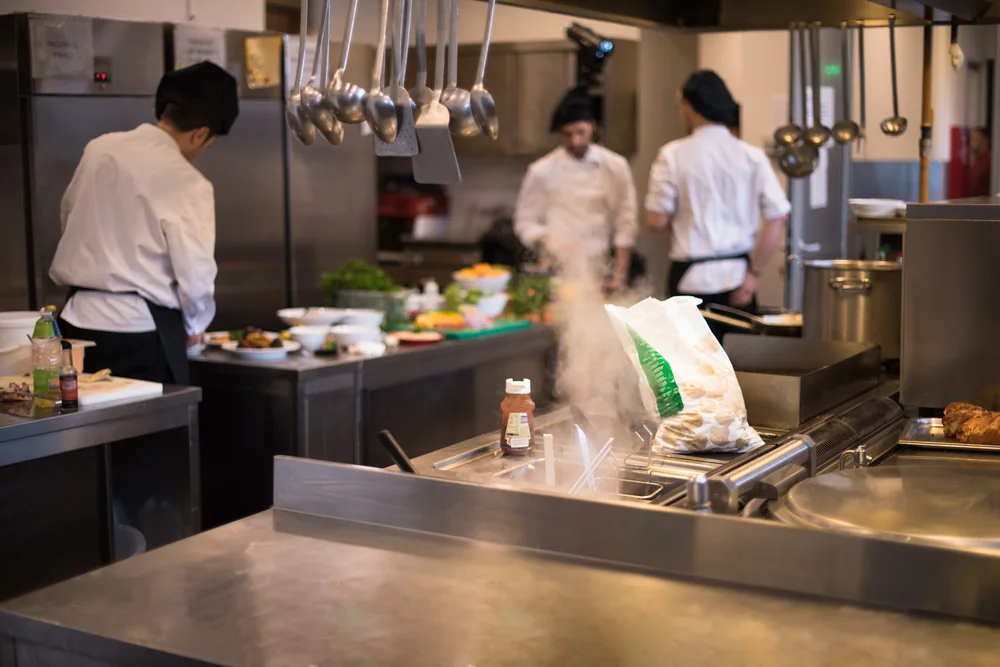
Why Kitchen Extract Cleaning Matters
Grease is highly combustible. As it accumulates on canopy filters, in the plenum and along the ductwork, it creates a fire path that can spread flame through the building in minutes. The Regulatory Reform (Fire Safety) Order 2005 places a legal duty on the responsible person to manage this risk, and insurers routinely require evidence of TR19 Grease compliant cleaning as a condition of cover.
A system that fails a fire risk assessment, or a fire where cleaning records cannot be produced, can invalidate an insurance claim. Regular, documented cleaning protects your premises, your staff and your business.
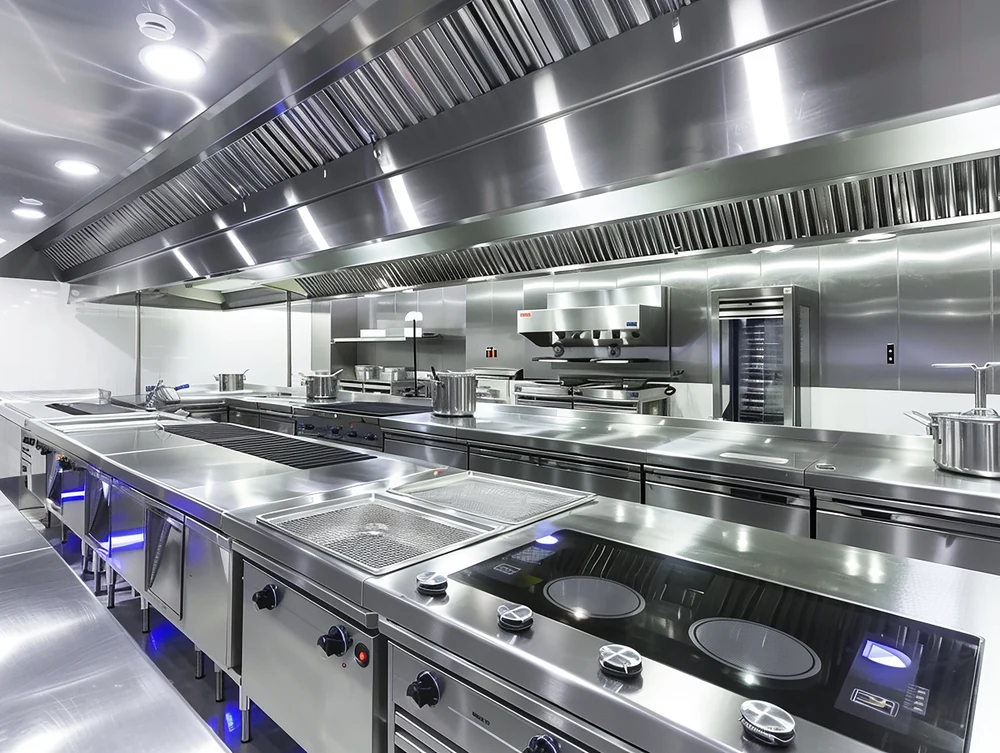
What a Compliant Clean Covers
Explore related service pages: Kitchen Extract Cleaning, Ductwork Cleaning, Fats, Oils & Grease and Fire Damper Testing.
Extract Fan Cleaning
We clean the extract fan to keep the system drawing correctly and reduce the risk of a grease fire at the point of highest heat and movement.
Plenum and Ductwork
We clean through the plenum and the full run of extract ductwork, the hidden areas where grease build up presents the greatest fire risk.
Canopy and Filters
We clean the canopy, remove and degrease the filters, and clear the areas where grease first accumulates.
Grease Certification
We issue a TR19 Grease certificate supported by grease depth readings and photo evidence, the documentation your insurer and fire risk assessor need.
How Often Should You Clean?
TR19 Grease sets cleaning frequency by how heavily the kitchen is used. Heavy use, of twelve to sixteen hours a day, calls for quarterly cleaning. Moderate use, of six to twelve hours, calls for cleaning every six months. Light use, of two to six hours, calls for annual cleaning. We assess your kitchen and recommend the right frequency to keep you compliant.
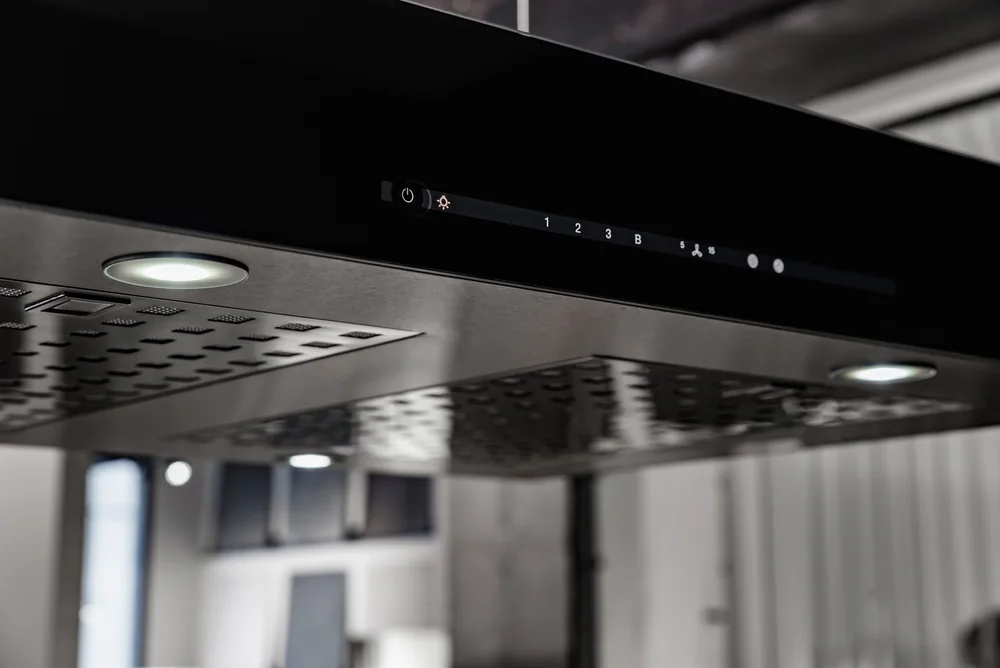
The Compliance Stack Explained
Commercial kitchen ventilation compliance involves several overlapping requirements. We explain each one clearly: TR19 Grease for extract cleaning and fire risk, DW172 for the specification and design of kitchen ventilation, IGEM/UP/19 for gas interlock systems where gas appliances are used, and the Regulatory Reform (Fire Safety) Order 2005 for the responsible person’s overarching duty.

Sectors We Serve
We clean kitchen extract systems for restaurants, takeaways, pubs, hotels, care home kitchens and any commercial catering operation. Whatever the size and pattern of use, we deliver a compliant clean with the evidence to prove it.
Hotels in particular often need more than kitchen extract cleaning alone, and we cover the wider building too, from air handling units and guest-area ventilation to fire damper testing.
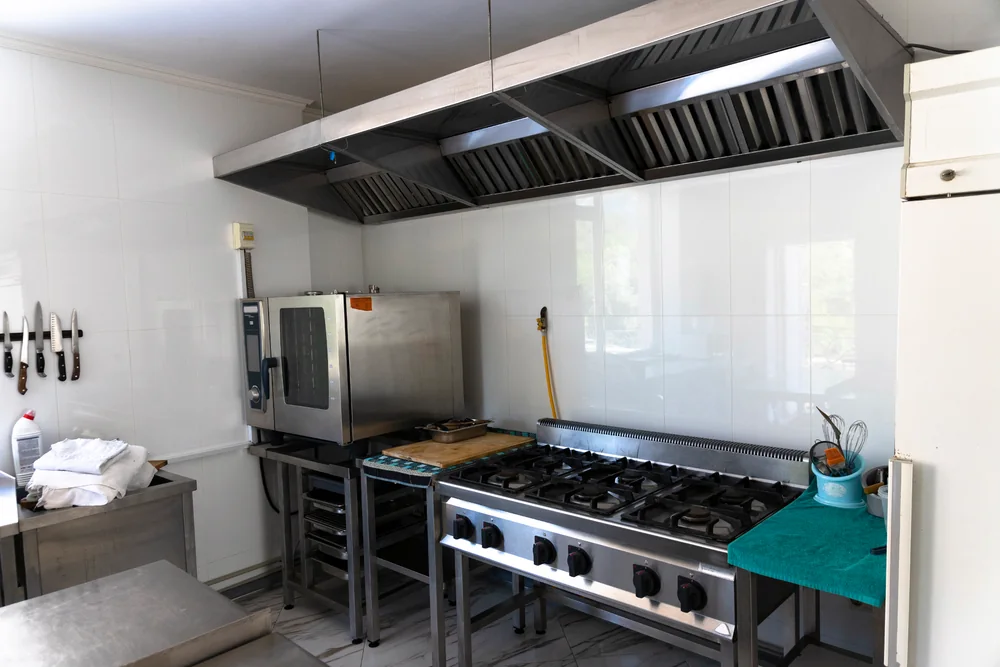
Accredited and Trusted
VSS is accredited by BESA and registered on the Vent Hygiene Register, the recognised marks of a competent kitchen extract cleaning provider. We also hold Constructionline, SafeContractor and UKAS accreditations.
BESA
Vent Hygiene Register

Constructionline
SafeContractor
UKAS
Commercial Kitchen Extract Cleaning: Frequently Asked Questions
How often should a commercial kitchen extraction system be cleaned?
TR19 Grease sets frequency by usage. Heavy use of twelve to sixteen hours a day needs quarterly cleaning, moderate use of six to twelve hours needs six monthly cleaning, and light use of two to six hours needs annual cleaning.
What is a TR19 Grease certificate and why do insurers ask for it?
A TR19 Grease certificate is documented proof that your kitchen extract system has been cleaned to the recognised standard, supported by grease depth readings and photographs. Insurers require it as evidence that the fire risk from grease is being managed, and a claim can be refused without it.
Do I legally need a gas interlock in my commercial kitchen?
Commercial kitchens using gas appliances generally require a gas interlock system under IGEM/UP/19, which shuts off the gas supply if the ventilation is not running correctly. We can advise whether your kitchen complies.
What is DW172 and does my kitchen ventilation comply?
DW172 is the BESA specification for the design and installation of kitchen ventilation systems. It governs how a compliant system should be built. We can assess an existing system and advise on any shortfalls.
What happens if my extraction system fails a fire risk assessment?
A failed fire risk assessment must be acted on, as the responsible person has a legal duty under the Fire Safety Order 2005. Uncleaned grease build up is a common cause. A TR19 Grease compliant clean with certification resolves it and restores your evidence of compliance.
Book a Free Site Survey
Don’t wait for a failed fire risk assessment or an insurance dispute to discover your kitchen extract isn’t up to standard. Our site survey gives you a clear picture of where your system stands, and what, if anything, it needs.
VSS supports restaurants, pubs, hotels and commercial caterers across the UK with independent, documented TR19 Grease compliance for kitchen extract systems.